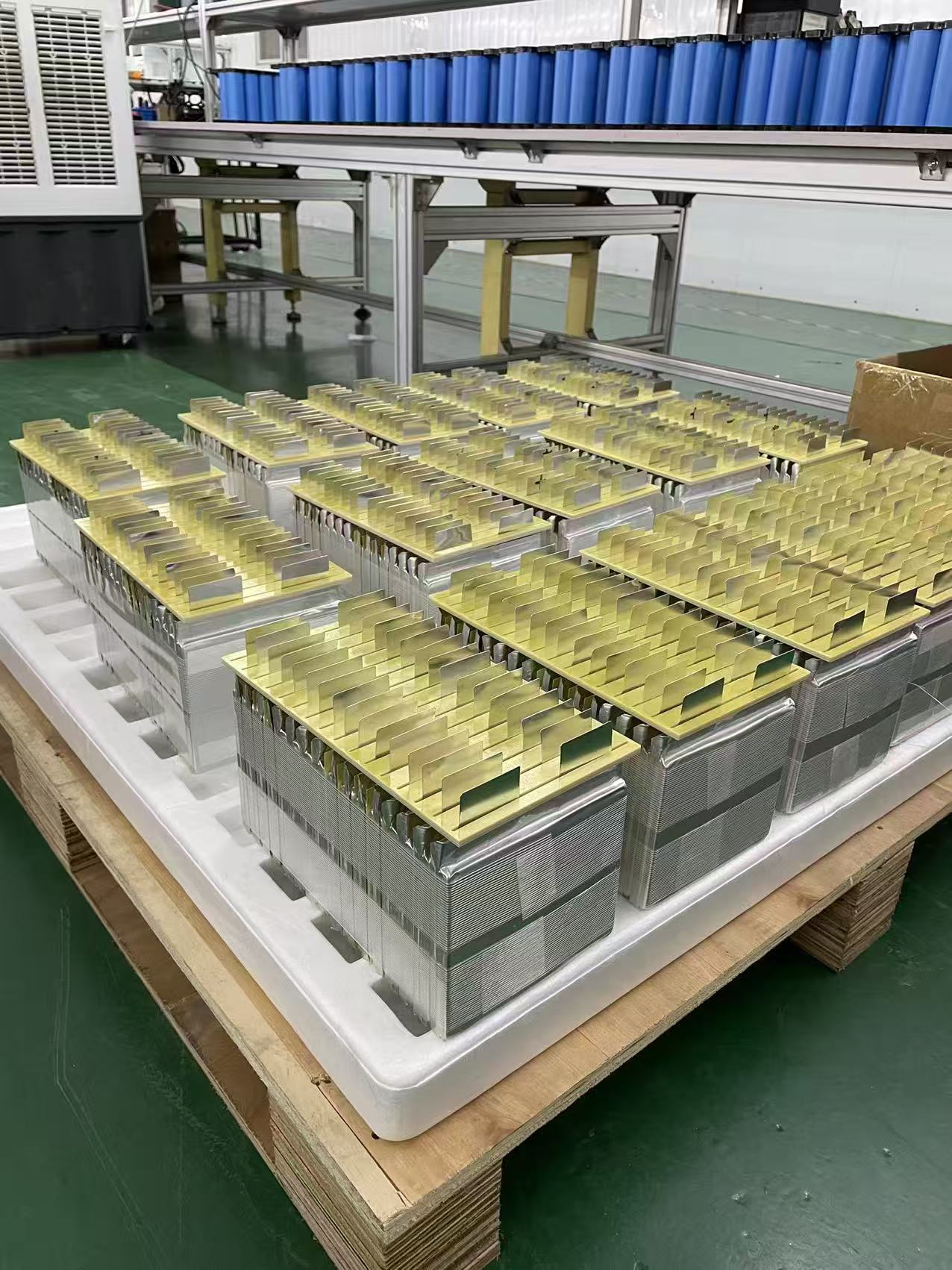
Sodium‑ion battery technology has rapidly moved from laboratory research to mass production, bringing a brand‑new alternative for automotive engine cranking applications. Today,
12V sodium‑ion automotive cranking batteries are gaining attention among global vehicle OEMs, aftermarket distributors and equipment builders. In this article, we break down how sodium‑ion starting batteries work, their key strengths, limitations, real‑world application scenarios and business value for battery wholesalers.
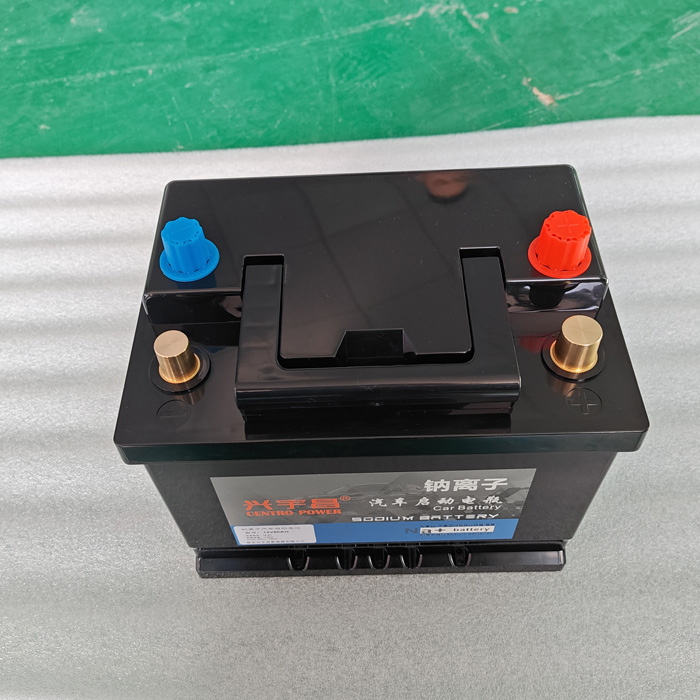
What Is A Sodium‑ion Automotive Cranking Battery?
A sodium‑ion cranking battery is a high‑rate sodium‑based power cell designed specifically for engine cold start‑up, replacing traditional 12V lead‑acid AGM / EFB batteries.
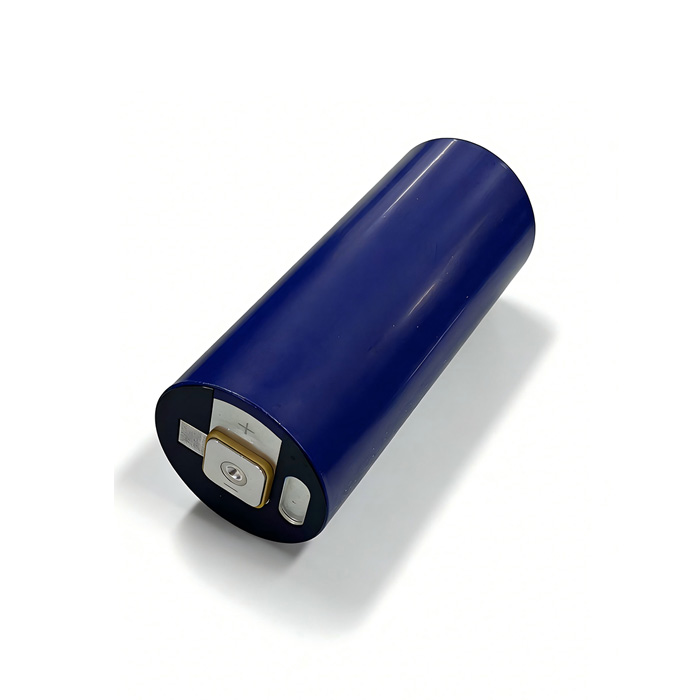
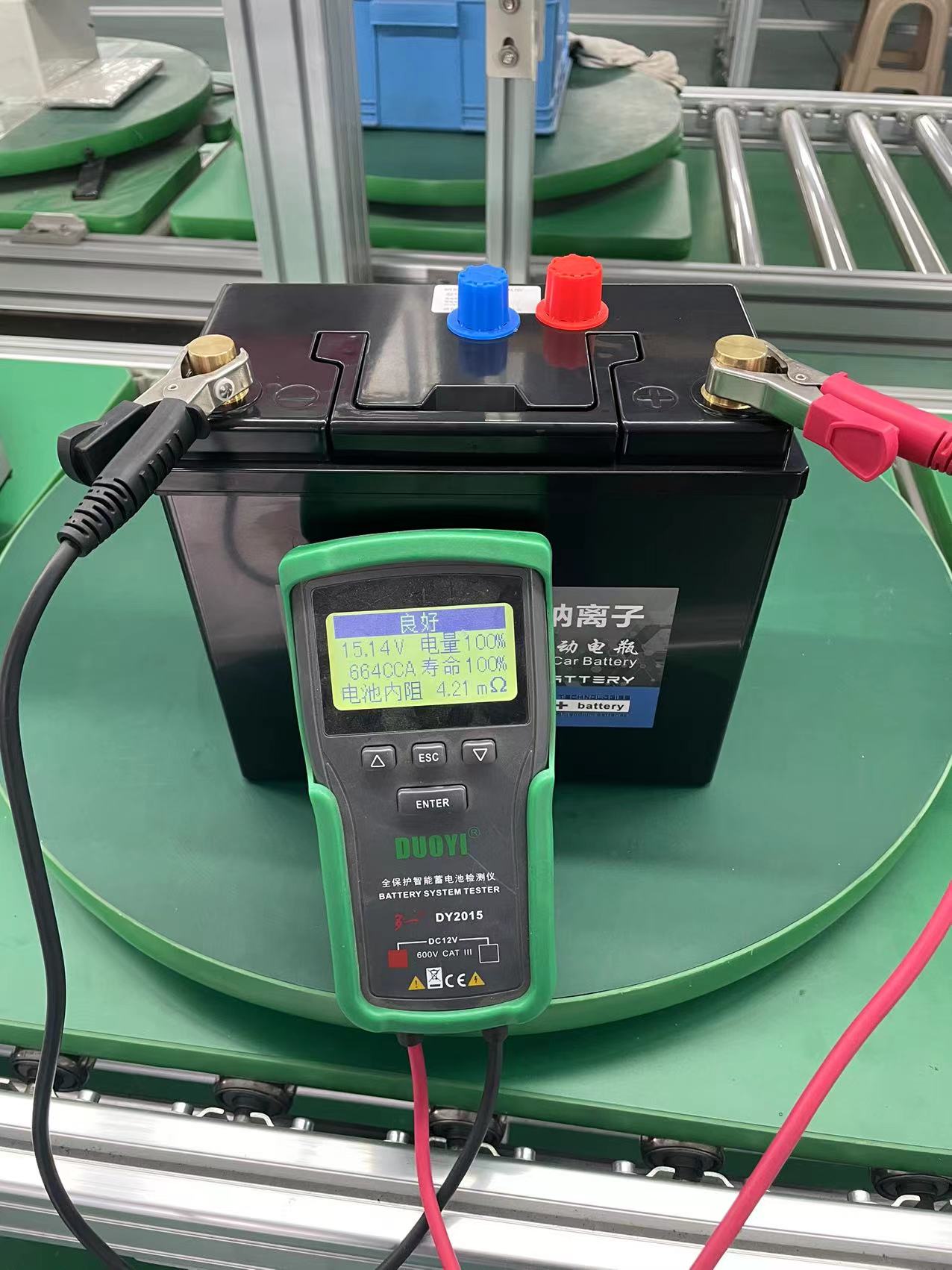
Instead of lithium‑ion, sodium ions shuttle between cathode and hard‑carbon anode during charge and discharge. The material system delivers low DC internal resistance (DCIR), supporting high‑pulse current output for instant engine ignition. Most commercial automotive sodium‑ion starter packs adopt 4‑cell series connection to reach 12V nominal voltage, compatible with most existing vehicle charging systems without major modification.
Unlike energy‑focused sodium‑ion batteries for stationary storage, automotive cranking sodium‑ion cells are optimized for high Cold Cranking Amps (CCA), wide operating temperature range and anti‑over‑discharge capability.
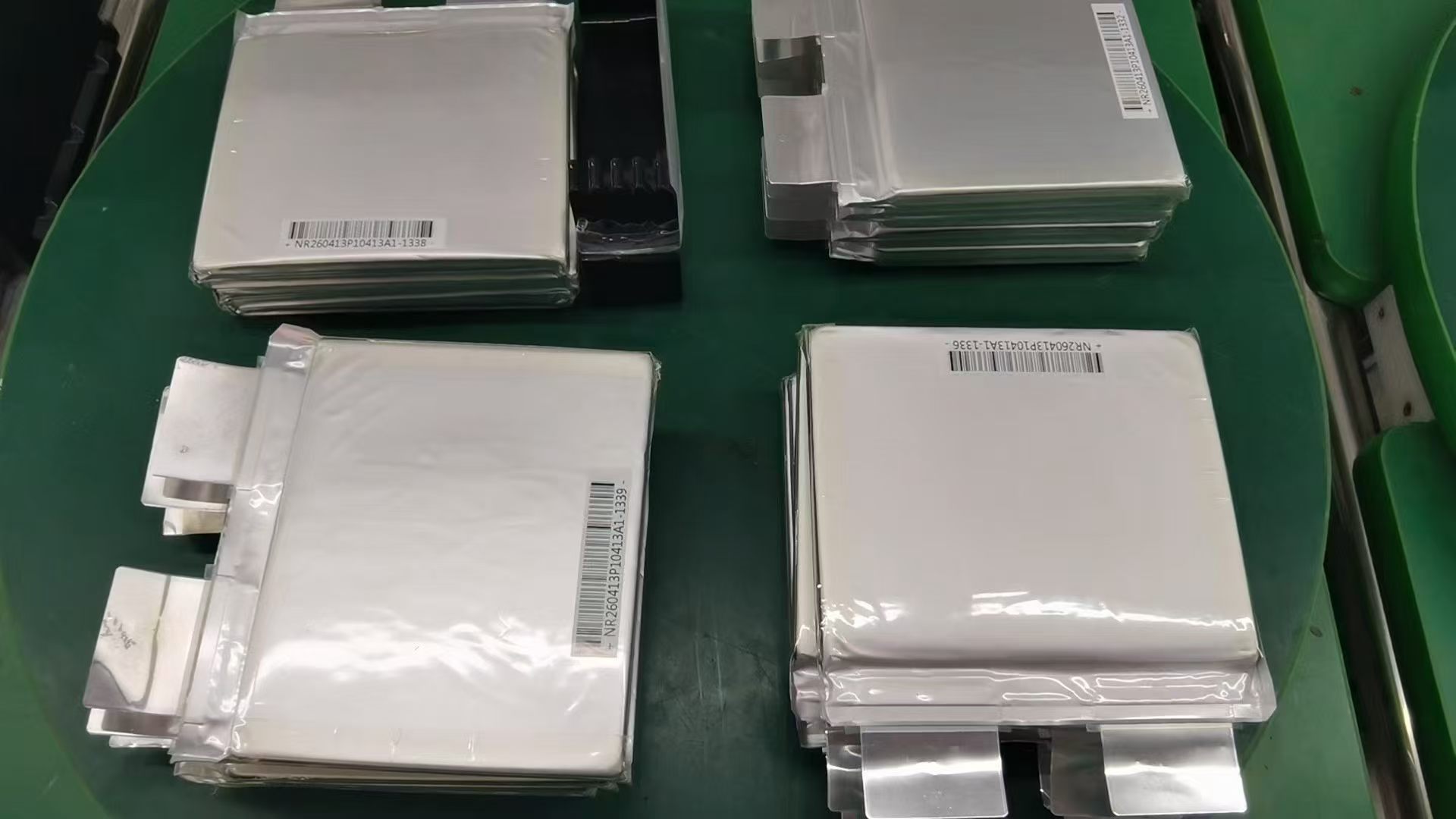
Core Advantages of Sodium‑ion Car Starting Battery
1. Outstanding Cold‑Weather Cranking Performance
This is the most standout merit of sodium‑ion cranking battery. It maintains high capacity retention under extremely low temperatures, delivering reliable CCA output down to ‑40℃Carku. Lead‑acid batteries lose massive capacity below ‑20℃ and often fail to start engines in frigid regions. Sodium‑ion starting batteries solve the common pain point of “car cannot start on freezing winter mornings”, making it perfect for cold‑climate markets.
2. Excellent Safety & High Thermal Stability
Sodium‑ion cells feature high thermal runaway threshold. Under puncture, crush, short‑circuit and high‑temperature abuse tests, most qualified sodium‑ion cells show no fire or explosion risk. It performs stably inside hot engine bays, greatly reducing swelling and failure risks compared with lead‑acid and some lithium‑based starting batteries.
3. Long Cycle Life & Zero‑Volt Tolerance
Traditional lead‑acid batteries only achieve 300‑500 cycles. Quality sodium‑ion cranking cells deliver 2000‑4000 cycles @80% DOD. One sodium‑ion battery can serve 3‑6 times longer than a lead‑acid unit.
One unique feature: sodium‑ion batteries can tolerate deep discharge down to 0V. After long‑term zero‑voltage storage, capacity can be largely recovered after recharging. No permanent damage, which is impossible for lead‑acid or lithium‑ion batteries. This is extremely valuable for vehicles, tractors and machinery that sit idle for months.
4. Lightweight & Good Charge Acceptance
Compared with lead‑acid counterparts of the same rated capacity, sodium‑ion cranking batteries cut weight by around 60%. Lighter weight benefits passenger cars, off‑road vehicles and marine equipment. Besides, high charge acceptance enables fast recharge from vehicle alternators, ideal for frequent short‑trip driving conditions.
5. Stable Raw‑material Supply Chain
Sodium resources are abundant on earth, far less geographically restricted than lithium mineral resources. With mass‑scale manufacturing advancing, sodium‑ion battery costs will keep decreasing, avoiding violent price swings of lithium‑ion products.
Limitations of Sodium‑ion Starting Batteries
It is important to view the technology objectively. Sodium‑ion cranking batteries are not a universal replacement for all lithium‑ion applications:
- Lower gravimetric & volumetric energy density vs lithium‑ion. For pure‑EV long‑range power batteries, lithium‑ion still holds advantages. For cranking‑focused SLI applications, energy density requirements are moderate, so sodium‑ion fits perfectly.
- Global aftermarket awareness is still building; market education is needed for end‑users.
- Product quality gaps exist among different manufacturers. Buyers must verify cell chemistry, BMS protection and full certification (UN38.3, CE, RoHS, REACH).
Main Application Scenarios
- Passenger cars, SUV, MPV with start‑stop system
- Pick‑up vans, light commercial vehicles
- Heavy‑duty trucks, buses (24V sodium‑ion cranking packs)
- Construction machinery, excavators, diesel generators, agricultural tractors
- Off‑road vehicles, RVs, camper vans, marine small diesel engines
- Equipment working in high‑latitude cold regions or high‑temperature engine‑bay environments
Sodium‑ion VS Lead‑acid VS Lithium‑ion (Cranking Battery Comparison)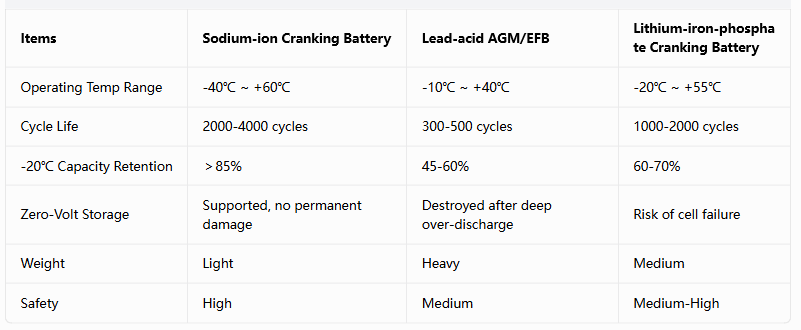
Business Opportunities for Global Distributors
As the automotive aftermarket keeps searching for high‑performance lead‑acid alternatives, sodium‑ion 12V cranking batteries become a promising new product line for wholesalers and importers.
Professional Chinese battery manufacturers provide complete services:
- Standard 12V sodium‑ion cranking battery models with high CCA
- OEM / ODM: custom capacity, housing size, terminal, logo and packaging
- Complete certifications: UN38.3, CE, RoHS, MSDS for global shipment
- Pilot order support for market validation before bulk purchase
Are you looking for reliable sodium‑ion automotive cranking battery supplier? Contact us to get datasheets, sample quotation and technical support.
Conclusion
Sodium‑ion technology will not completely replace lithium‑ion batteries, but it brings a competitive new choice for 12V SLI cranking market. With outstanding cold‑start performance, long service life, zero‑over‑discharge tolerance and improved safety, sodium‑ion automotive starting batteries are well‑suited for passenger vehicles, commercial trucks and engineering machinery especially in extreme‑temperature areas.
For battery distributors, early layout of sodium‑ion cranking battery products will capture new growth opportunities in the global automotive aftermarket.